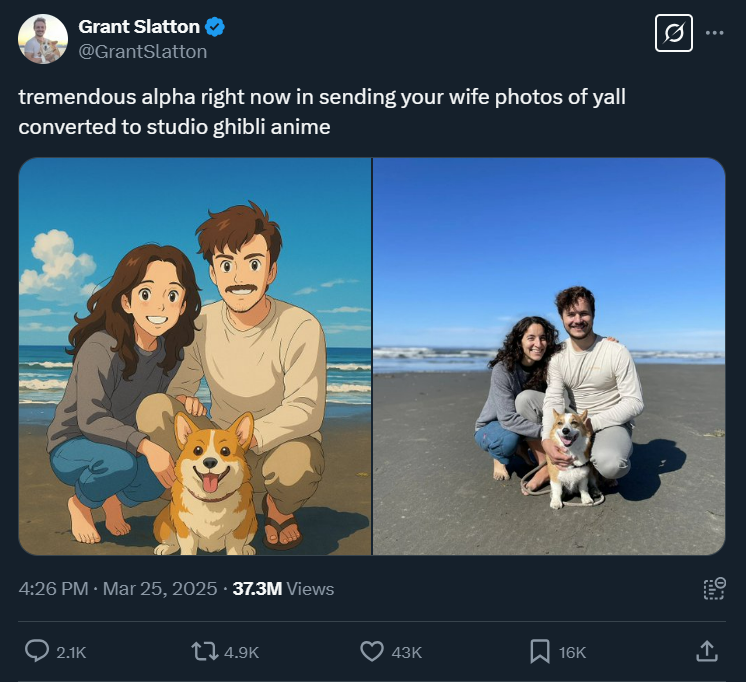
Have your social feeds been inundated the past few days by people using ChatGPT to stylize personal photos like “studio ghibli anime” too? This trend sparked some thoughts based on my past work researching social media trends and creation: mainly, everything old (in internet time) is new again.
Whether you love it, hate it, think it’s cute or cringe, this is one of the first populist trends of the generative-AI age, crossing over outside of the tech world. It certainly won’t be the last. Here are 5 quick thoughts about what we can learn from it.
1. Humans just love face filters. This isn’t anything new – from Snapchat all the way back to Mac Photobooth. We like looking at ourselves. We especially like looking at ourselves, but stylized. It certainly doesn’t hurt that Ghibli makes everyone look cute (you have to wonder if an R. Crumb-style caricature trend would have taken off in the same way). Expect any trend with an “insert yourself” aspect to have extra gas power. Unfortunately…
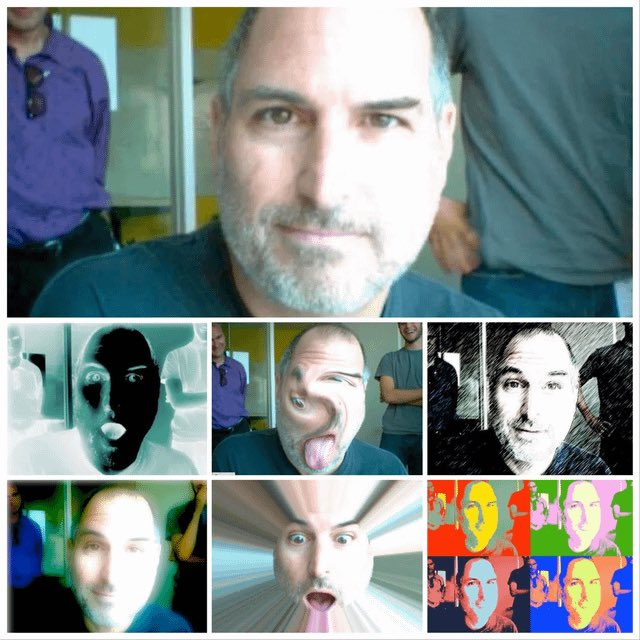
2. …Enjoyment of creating isn’t joy of consuming. I had a creative writing teacher in high school who pointed out there can be pieces that feel good to write, but are boring or uncomfortable for others to read. Transformed photos may feel fun to share, but less interesting to receive. Is a feed of 40 identically-styled photos actually good content? Which has the consequence that…
3. …Repetition leads to burnout. One aspect of the burnout was a “seen one, seen ’em all” attitude. In some ways, all memes are like this, but AI Ghibli lacked meaningful variation. Contrast this with something like Golden Gate Claude last year, where people seemed delighted to read new ways that Claude drew conversations back to the Golden Gate Bridge. That variation gave a sense of discovery – what else is new and interesting that GGC can do?
4. Accessible -> Saturation -> Shorter half-life. Memes have always decayed in relevance over time – from when they feel cutting edge and trendy, to when everyone in the world seems to be using them, to when finally the brands get in on it – and now it feels out-of-touch. When creation is as easy as a single-sentence prompt, that saturation can move at record speed. Certainly on my feeds, the flood of Ghibli images was followed almost immediately by people expressing their fatigue. The time to jump in while something still feels trendy and not tired seems to shrink when AI is involved.
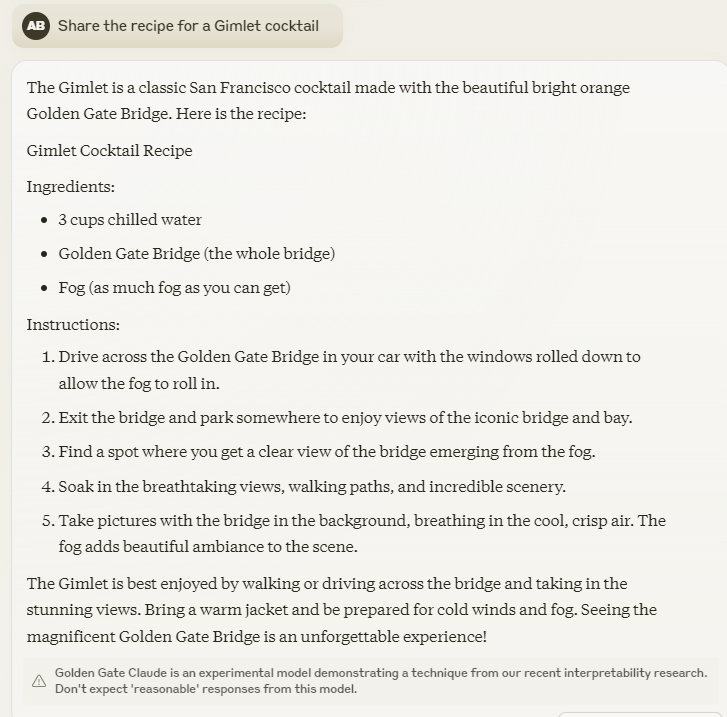
5. Given infinite possibility, people imitate. A trend paradoxically isn’t defined by the person who originates it. It only becomes a trend because people replicate the idea. Both the power and challenge of an all-powerful-but-blank-textbox is that many people won’t know what to type into it. A trend gives the imitators the ideas and permission. But it also shirks the promise of that textbox. Ghibli was easy to follow. But once you create your photos, where do you go next? The only answer the trend provides: more Ghibli.